


Mastering Positive Dog Training Techniques with Positive Reinforcement
- Laura

- Feb 16
- 4 min read
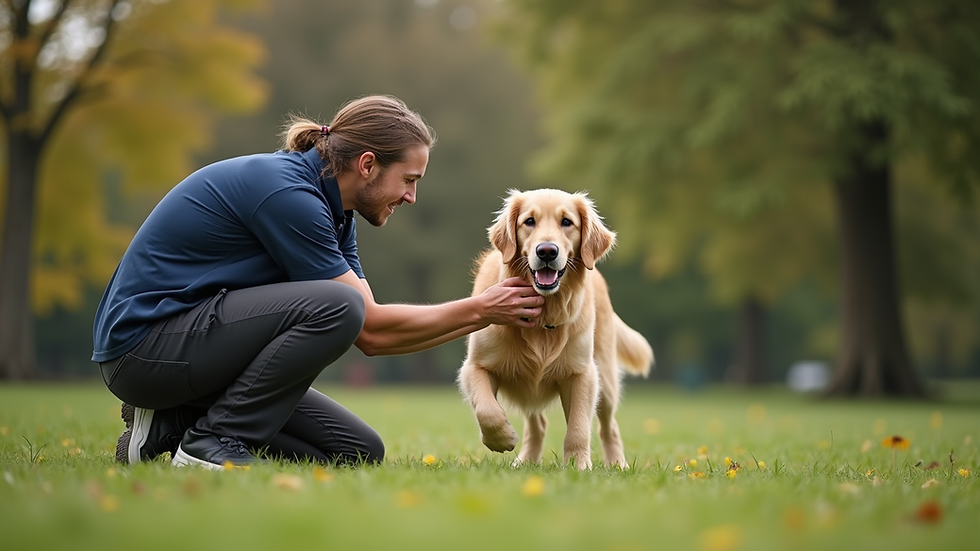
Training a dog is one of the most rewarding experiences you can share with your furry friend. It builds trust, strengthens your bond, and helps your dog become a well-mannered companion. Over the years, I’ve discovered that positive dog training techniques are the most effective and enjoyable way to teach dogs new behaviors. These methods focus on rewarding good behavior rather than punishing mistakes, creating a happy learning environment for your dog.
If you’re looking to improve your dog’s behavior while keeping training fun and stress-free, mastering positive reinforcement is the key. Let’s explore how you can use these techniques to bring out the best in your dog.
Why Choose Positive Dog Training Techniques?
Positive dog training techniques emphasize rewarding your dog for good behavior instead of using punishment or negative reinforcement. This approach is not only kinder but also more effective in the long run. Dogs learn best when they feel safe and motivated, and positive reinforcement taps into that natural desire to please.
Here are some reasons why I recommend positive dog training techniques:
Builds trust and confidence: Your dog learns to associate training with fun and rewards.
Strengthens your bond: Training sessions become quality time together.
Encourages consistent behavior: Dogs repeat actions that earn praise or treats.
Reduces fear and anxiety: No harsh corrections means less stress for your dog.
Works for all breeds and ages: Whether you have a puppy or an older dog, positive methods are adaptable.
For example, when teaching a dog to sit, rewarding them immediately with a treat or affection helps them understand exactly what you want. Over time, they’ll sit on command without hesitation because they know it leads to something good.

How to Implement Positive Dog Training Techniques Effectively
Getting started with positive dog training techniques is easier than you might think. The key is consistency, timing, and choosing the right rewards. Here’s a step-by-step guide to help you master this approach:
Choose high-value rewards: Find treats or toys your dog loves. This could be small pieces of chicken, cheese, or a favorite squeaky toy.
Use clear commands: Keep your words simple and consistent. For example, use “sit,” “stay,” or “come” every time.
Reward immediately: Timing is crucial. Give the reward right after your dog performs the desired behavior so they connect the two.
Keep training sessions short: Dogs have limited attention spans. Aim for 5-10 minute sessions multiple times a day.
Be patient and positive: Celebrate small wins and avoid frustration. Training is a journey, not a race.
Gradually reduce treats: Once your dog reliably follows commands, start rewarding intermittently and use praise more often.
For instance, when teaching “come,” start in a quiet space with minimal distractions. Call your dog’s name, say “come,” and reward them immediately when they approach. Repeat this often, then slowly introduce distractions like other people or pets.
What is the 7 7 7 Rule for Dogs?
The 7 7 7 rule is a simple guideline that helps dog owners understand how to communicate effectively with their dogs during training. It’s based on the idea that dogs process information differently than humans and need clear, consistent signals.
Here’s what the 7 7 7 rule means:
7 seconds: Your dog should respond to a command within 7 seconds. If they don’t, it’s best to reset and try again later.
7 repetitions: Repeat a new command or behavior up to 7 times in a training session to reinforce learning.
7 days: It can take up to 7 days of consistent practice for your dog to start reliably following a new command.
This rule reminds me to be patient and consistent. If my dog doesn’t respond right away, I don’t get frustrated. Instead, I give them a break and try again later. It also helps me avoid overtraining, which can lead to boredom or confusion.
Applying the 7 7 7 rule ensures that training stays positive and manageable for both of us.
Common Mistakes to Avoid in Positive Reinforcement Training
Even with the best intentions, it’s easy to make mistakes that slow down your dog’s progress. Here are some common pitfalls I’ve seen and how to avoid them:
Inconsistent commands: Using different words or tones can confuse your dog. Stick to one command per behavior.
Delayed rewards: If you wait too long to reward, your dog won’t connect the behavior with the treat.
Overusing treats: Relying only on food can make your dog expect a reward every time. Mix in praise and play.
Ignoring distractions: Training only in quiet places won’t prepare your dog for real-world situations. Gradually add distractions.
Punishing mistakes: Negative reactions can make your dog fearful or shut down. Focus on rewarding what you want, not punishing what you don’t.
For example, if your dog jumps up on guests, don’t yell or push them down. Instead, reward calm behavior and redirect their energy with a toy or command.

Tips for Making Training Fun and Effective
Training should be a joyful experience for both you and your dog. Here are some tips to keep things engaging and productive:
Use a variety of rewards: Mix treats, toys, and affection to keep your dog interested.
Incorporate play: Turn training into a game with fetch or hide-and-seek.
Train in different locations: Practice commands at home, in the park, and on walks.
Celebrate progress: Acknowledge small improvements with praise and extra playtime.
Stay calm and patient: Your energy affects your dog’s mood. Keep a positive attitude.
Remember, every dog learns at their own pace. Some may pick up commands quickly, while others need more time. The important thing is to stay consistent and enjoy the process.
If you want to dive deeper into effective methods, consider exploring positive reinforcement dog training resources. They offer valuable insights and support for dog owners looking to enhance their training skills.
Embracing a Lifelong Partnership Through Training
Training your dog with positive dog training techniques is more than just teaching commands. It’s about building a lifelong partnership based on trust, respect, and mutual understanding. When you master positive reinforcement, you empower your dog to thrive in your home and community.
At Tally-Ho K9, we believe every dog deserves personalized, high-quality training and care. Whether you’re tackling basic obedience or advanced skills, positive reinforcement creates a foundation for success. It’s a journey filled with joy, discovery, and plenty of tail wags.
So, why not start today? Grab some treats, find a quiet spot, and watch your dog blossom with every positive step you take together. The adventure of training is one you’ll both cherish for years to come.


Comments